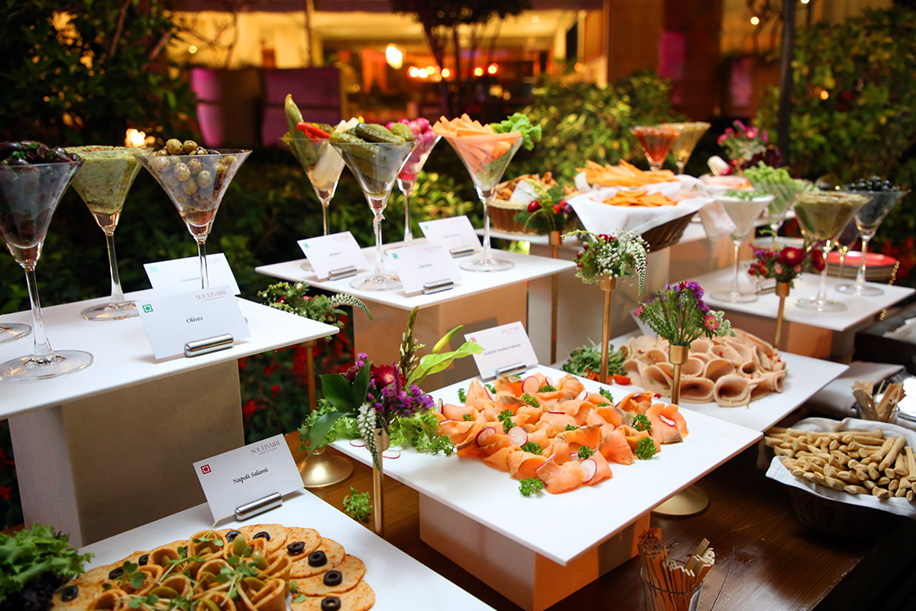
In modern weddings in Indianapolis, food has become the vehicle for atmosphere, social cohesion, and storytelling. However, optimal culinary standards, professional, chef-led solutions are becoming the foundation of modern wedding experiences—subtle yet profound shifts that ensure meals are not merely delivered, but performed, curated to flow with the cadence, style, and personality of each unique celebration.
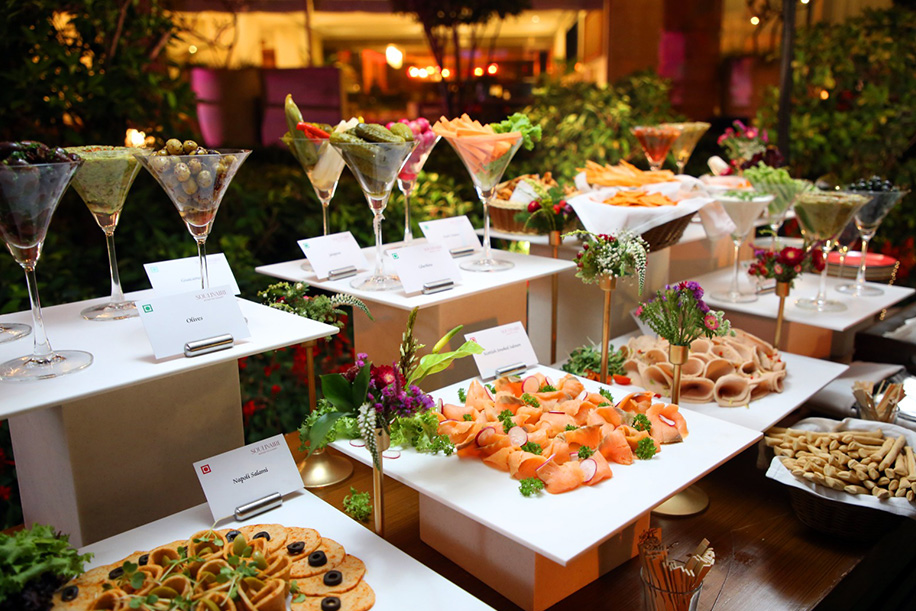
The “Wow Factor” of Action Stations: Dining as a Social Catalyst
Food should serve as a social catalyst, not a reason for guests to sit in silence. Wedding Catering Indianapolis professionals will set-up interactive and live food stations that turn your reception into a culinary show.
- The Theater of Flavor: Chefs’ culinary skills help solve the “dead air” problem often found in traditional receptions. Guests gather around live stations; instead of guests standing in a stagnant line or sitting at a table waiting for a plate, the cooking station becomes a “destination.”
- Breaking the Stagnancy: Traditional buffets can feel like a logistical chore. Action stations encourage guests to linger, converse, and engage with the artistry. A strategic social choreography that keeps the energy of the event vibrant and alive.
- Defining the Rhythm: These interactive moments define the night’s pace; from facilitating strategic pauses for connection to ensuring the wedding feels like a living event rather than a scheduled sequence of tasks.
That helps enhance movement and psychology of the guests.
The End of the “Hot-Box”: Freshness as a Standard
For too long, wedding dining relied on insulated “hot boxes”—prep-heavy meals that lose their integrity during transport. That chapter is losing ground as modern event’s standards demand the immediacy of a kitchen that breathes on-site.
- Real-Time Food Craft: Dinner is born exactly where it is served. Preparing and plating everything on-site is a logistical shift that prioritizes quality and immediacy over the convenience of pre-cooking.
- A Sensory Journey of Aroma and Action: Live stations infuse the sizzle of a sea scallop hitting the pan, the aroma of fresh-torn basil, and the warmth of a steak seared seconds before serving transform a meal into a status-defining experience.
- The Promise of Culinary Craftsmanship: A visible kitchen makes the quality undeniable. Transforming the back-of-house into a hub of visible mastery builds confidence, shows transparency, and signals to guests that every detail has been handled with intentional care.
While ready meals mask the status of pre-cooked food, this framework brings transparency in condition and processing to the forefront as a core part of the event’s value.
The “Finishing Touch” Synergy: Aesthetic Harmony
In a modern wedding, the difference is in the transition from “hiring a cook” to “hiring a curator.” That way, the food becomes an extension of the decor as the plates are part of the story, not separate from it.
- Integrated Design: Culinary expertise now collaborates with the choices in tableware, linens, and florals. This ensures the meal matches the “soul” of the district—whether it is an industrial Mass Ave loft or a historic Meridian-Kessler estate.
- Invisible Orchestration: Service staff act as the silent heartbeat of the room. A seamless flow is maintained from the first passed hors d’oeuvre to the final entrée, anchored by a single point of professional accountability.
- Curation over Service: With an experienced chef, food becomes part of the sensory branding of your celebration, guiding guests through an intentionally assembled environment where every flavor, aroma, and presentation reinforces the mood.
That way, your chef is no longer just a vendor—they are an architect of memory. The food, the service, and the timing move in perfect sync, creating a rhythm that feels effortless, deliberate, and unmistakably personal.
Telling a Narrative through the Menu
Every couple carries a narrative—heritage, travels, and shared milestones. Modern wedding gastronomy translates that narrative into a tangible experience.
- A Sense of Place: Sourcing from local seasonal markets means the menu reflects the exact moment of the wedding—the crispness of an Indiana autumn or the brightness of a midwestern spring.
- The Personal Touch: Small, thoughtful gestures speak loudest. Like creating personalized, instantly frozen ice cream with chosen toppings in front of guests.
- Culinary Authorship: The chef acts as a storyteller, sequencing each dish to guide the mood and energy of the room. This creates a lasting impression of precision, care, and personal expertise.
In 2026, luxury wedding is no longer just defined by budget costs, but by how specifically it was aligned to serve the hosts and guests.
Agile Logistics for Stress-Free Celebrations
Rigid wedding systems are a hidden stress in most weddings. A moders chef-led approach helps break the ice. These professionals understands that a wedding is a live, breathing event where timelines shift and moments happen spontaneously.
- Expert Oversight: A single point of contact manages prep, execution, and timing. This allows the couple to focus entirely on guests and milestones while the kitchen operates with precision.
- Scalable Adaptation: Whether it is an intimate dinner in a Butler-Tarkington home or a 300-guest reception in Carmel, the service scales without losing its quality or presence.
- Predictive Peace of Mind: Anticipating the transitions—cocktails to dinner, or speeches to dancing—ensures a calm operational environment. The kitchen follows the vision; the vision never has to chase the kitchen.
Without such a blend of catering expertise, even the best food can be ruined by poor timing or a chaotic environment.
The “Social Anchor” Serving Styles
In the 2026 Indianapolis wedding scene, Mixed Modality is the “Social Engineering” of the dining room. It’s a rejection of the idea that guests should be trapped in one mode—either sitting formally for two hours (Plated) or standing in a long, stagnant line (Buffet).
Mixed modality eliminates stiff energy and introduces fluidity. That way, the food journey doesn’t just happen in the room; it strengthens the vibe of the room.
In essence, modern wedding gastronomy in Indianapolis has become a crucial differentiator on the overall success of these ceremonies. It’s no longer just about logistics; it is about intentional design and human-centered strategy. These solutions deliver a level of control and immersive artistry that traditional catering cannot scale. For the couple seeking a deliberate, high-status culinary experience in their ceremony, partnering with experienced chefs is the differentiator: meals that perform, engagements that are memorable, and curations that are unique.
